
What Is Digital Collaboration and Why Does It Matter?
Digital collaboration is more than just chatting online or sharing files; it’s the strategic use of advanced tools and platforms to help teams, departments, and entire organisations work together seamlessly, no matter where they are or what time zone they’re in.
It goes beyond basic communication by integrating workflows, data, and processes into one unified digital environment. The result? A connected, agile ecosystem that transforms how work gets done.

What Does Digital Collaboration Deliver?
- Breaks Down Silos: Connects people, systems, and data across teams and organisations, fostering transparency and alignment.
- Streamlines Processes: Automates repetitive tasks and optimises workflows to eliminate inefficiencies.
- Enhances Decision-Making: Provides real-time access to accurate information for faster, smarter decisions.
- Boosts Productivity: Enables simultaneous collaboration on projects, reducing delays and errors.
- Drives Innovation: Creates a shared digital space for brainstorming, designing, and problem-solving.
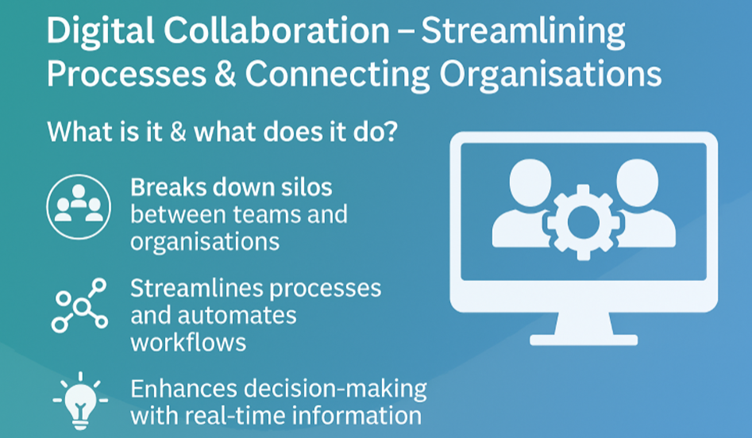
Digital collaboration isn’t just a trend—it’s a transformation. By connecting people and processes in a single digital ecosystem, organisations can deliver better products and services faster, with fewer resources. It’s the foundation for agility, efficiency, and innovation in today’s business world.
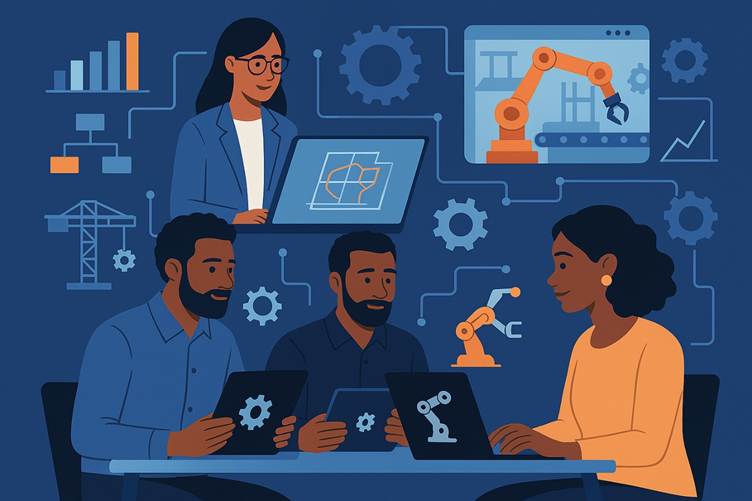
This allows you to solve complex challenges with advanced design and planning tools. Modern manufacturing demands more than basic design software—it requires a comprehensive suite of tools that streamline planning, building, and operating complex production environments
Here’s how these solutions empower innovation and efficiency:
Design and Engineering
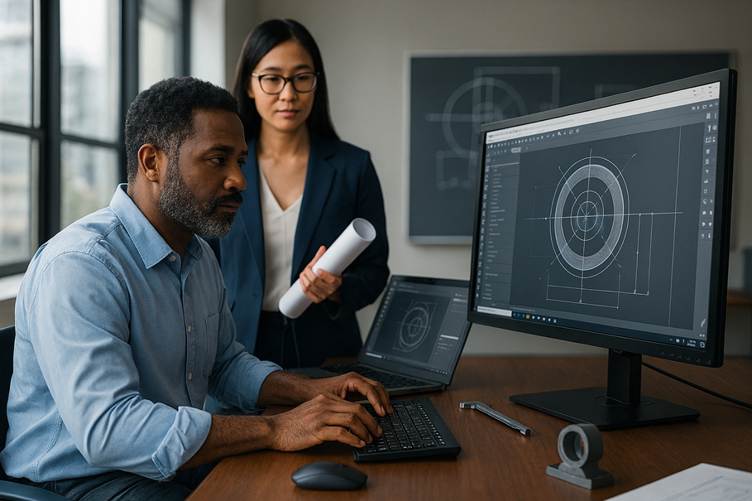
- Intuitive Product Modelling
Create detailed product models using powerful parametric 3D design capabilities and robust 2D drafting toolsets. - Enhanced Performance and Reliability
Leverage CAD-integrated engineering tools to improve product performance and prevent costly failures. - Professional Documentation and Visuals
Prepare precise manufacturing documentation and produce high-quality visuals for design reviews and marketing materials.
Digital Factory
- Early Design Decisions
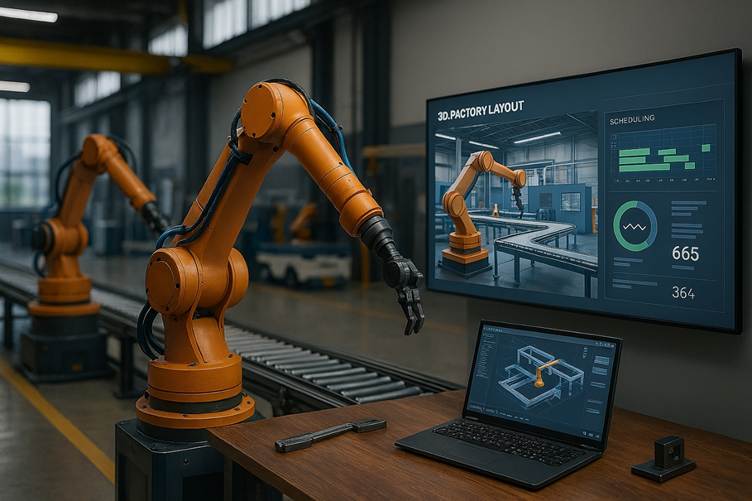
Capture and evaluate design choices early to explore scenarios and make cost-effective decisions. - Efficient Layout Design
Use advanced 2D and 3D modeling tools, supported by an extensive equipment library, to design optimized factory layouts. - Unified Digital Representation
Combine building and equipment data into a single digital model for clash detection and accurate installation scheduling.
Manufacturing
- Integrated CAD/CAM Workflow
Ensure design revisions cascade automatically, reducing delivery times and minimizing errors. - Accelerated CAM Programming
Speed up programming for 2D, 2.5D, and multi-axis machining with automation and customizable templates. - Smarter Toolpath Editing
Make global or localized edits without unnecessary recalculations, enabling faster, more efficient part machining. - By integrating design, planning, and manufacturing into a connected digital ecosystem, organisations can reduce complexity, improve efficiency, and deliver exceptional results—faster and smarter.

Digital collaboration and advanced design tools are no longer optional—they are the foundation of modern manufacturing. By integrating design and engineering, digital factory planning, and manufacturing execution into a unified ecosystem, businesses can achieve unprecedented levels of efficiency, agility, and innovation.
These solutions empower teams to:
- Design smarter with intuitive 3D modelling and CAD-integrated engineering tools.
- Plan better by simulating factory layouts and capturing decisions early for cost-effective outcomes.
- Manufacture faster through automated CAM workflows and precision machining.
The result? Reduced errors, accelerated delivery times, and optimised resource utilisation—all while fostering creativity and collaboration across every stage of production.
As industries evolve, those who embrace these technologies will lead the way in delivering high-quality products at speed and scale. The future belongs to connected, intelligent manufacturing—and the time to start is now.

