Core Features
More Features
2D Drafting, Drawing & Annotation
3D Modeling & Visualisation
Collaboration
Install & Customise
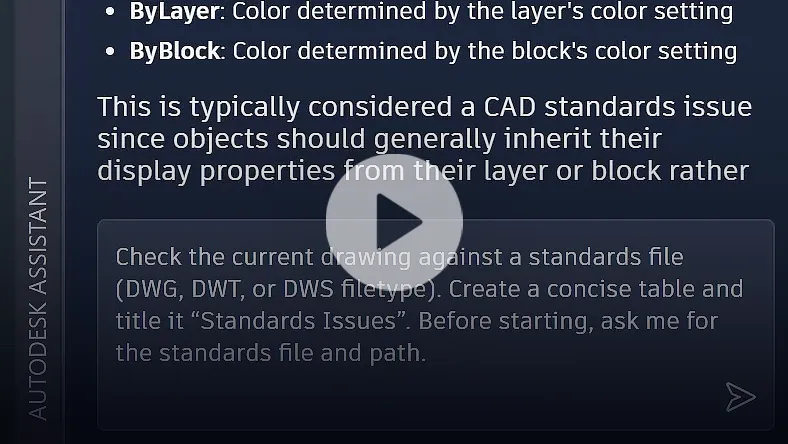
Delivers contextual AI support using Model Context Protocol (MCP) to analyse drawing environments and enable prompt-driven drafting workflows.
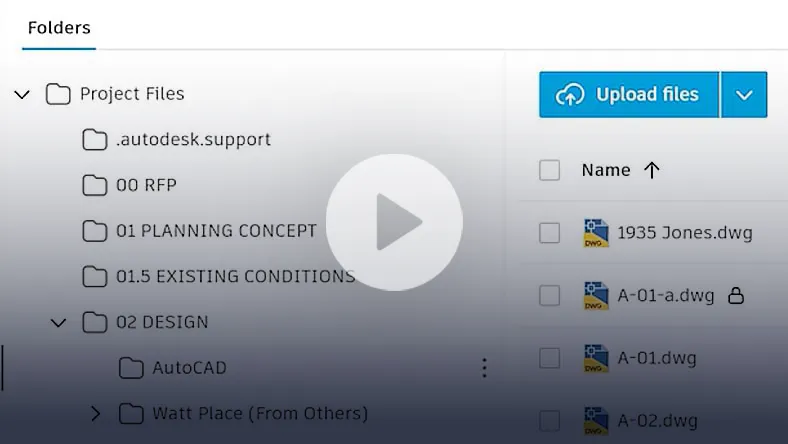
Embedded cloud project data control that enhances drawing coordination, access management, and team-based collaboration.
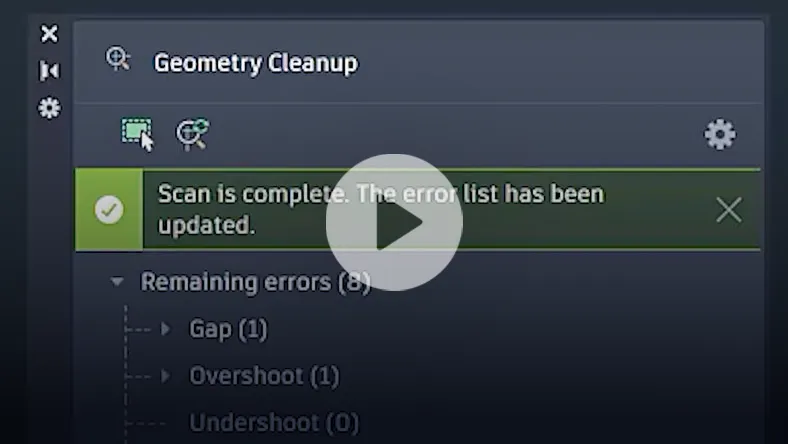
Smart error detection engine that identifies drafting inconsistencies and proposes targeted corrections within seconds.
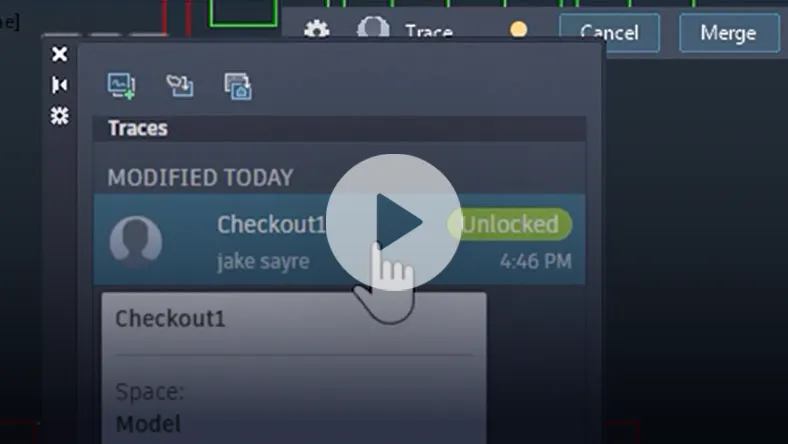
Enables geometry-level file locking within shared DWGs to streamline multi-user editing without overwriting changes.
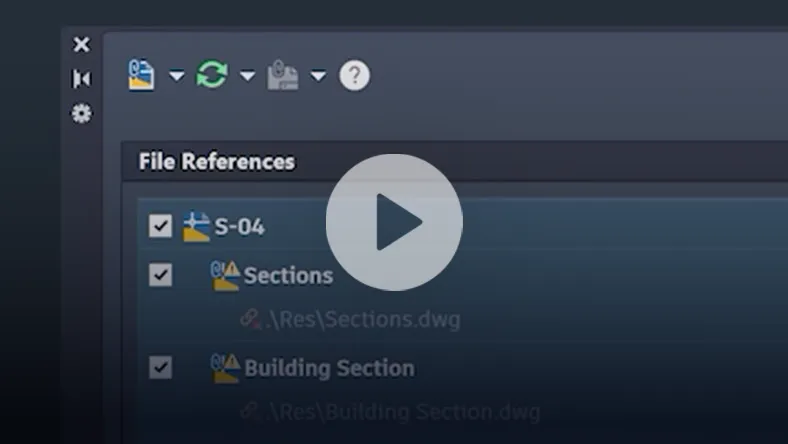
Preserves external reference relationships in cloud-hosted projects through automatic path validation and repair suggestions.
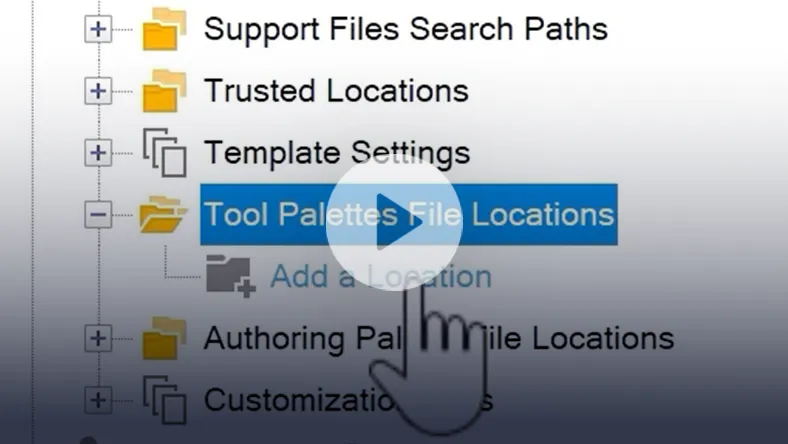
Improved cloud resource synchronisation for consistent standards, libraries, and configuration settings across teams.
Upgraded Graphics System Framework (GSF) performance for smoother 3D navigation, improved visual styles, and enhanced material rendering.
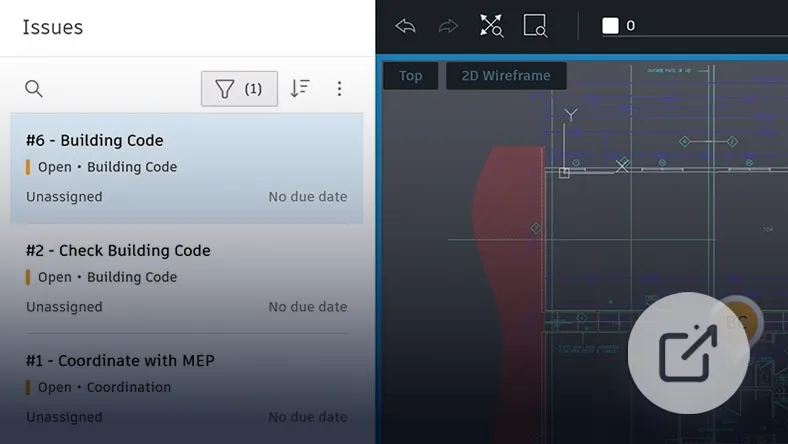
Create, track, and resolve project issues directly in the browser to strengthen remote collaboration and design coordination.
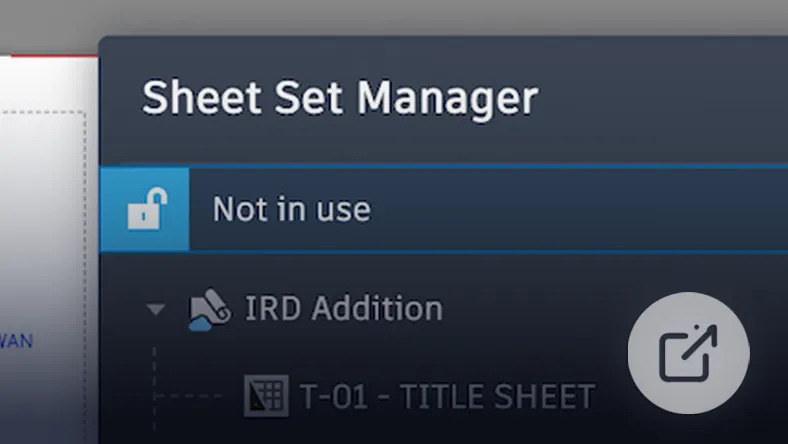
Enhanced reliability and workflow optimisation for managing multi-sheet drawing sets in cloud-based environments.
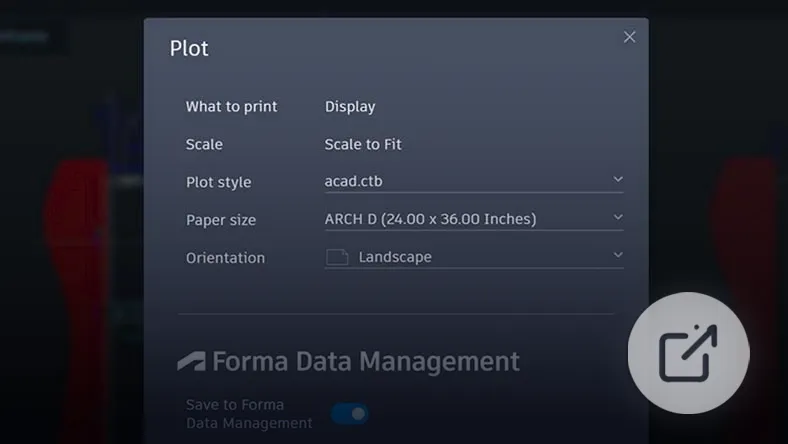
Save, rename, preview, and manage PDF plots directly to cloud storage with improved integration controls.
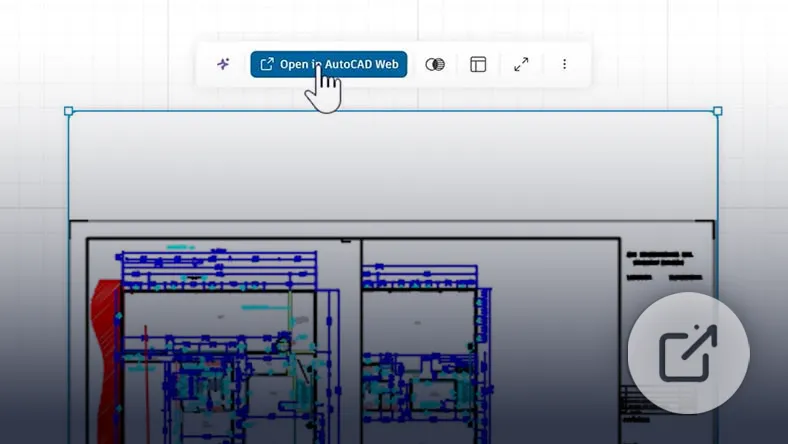
Open and edit DWG files within collaborative design boards to connect detailed drafting with early-stage project reviews.
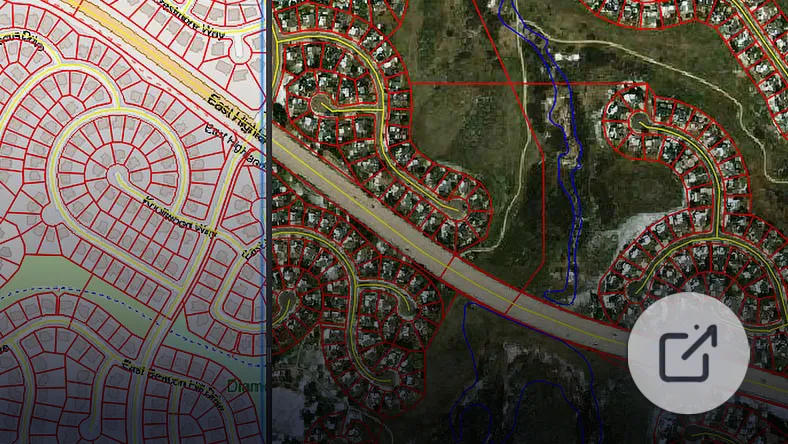
Integrate real-world geospatial data and high-resolution mapping into site plans for context-aware design decisions.
Automate repetitive CAD tasks and enforce standards using custom scripts compatible with LSP, FAS, and VLX file types.
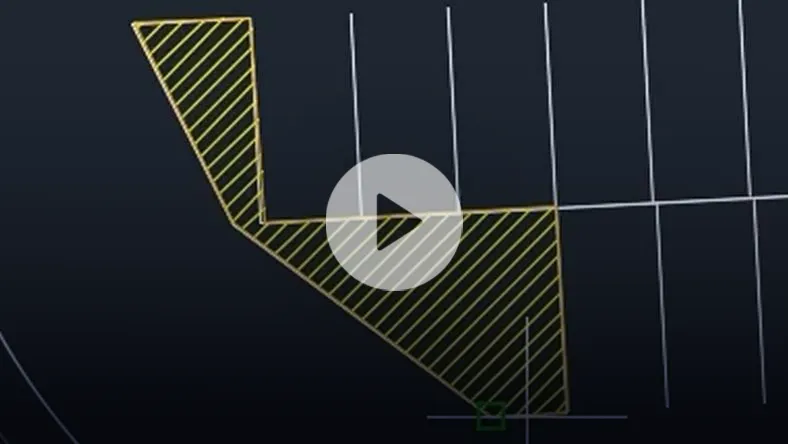
Apply advanced pattern fills and boundary detection tools to improve drawing clarity and graphical representation.
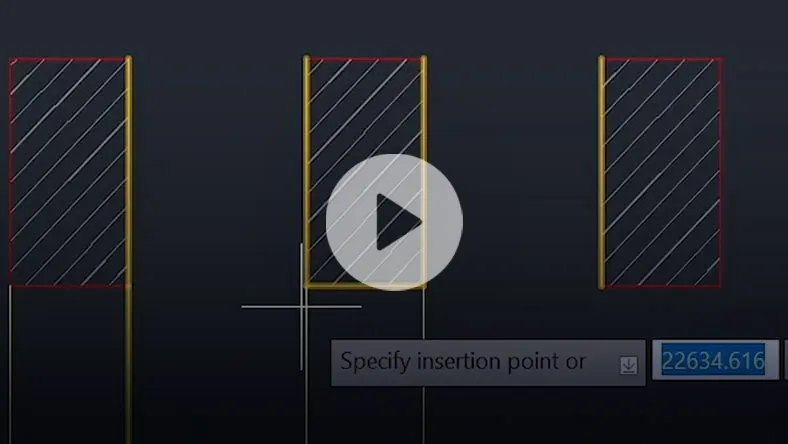
Intelligently insert blocks at optimal scale and position based on prior usage patterns within the drawing.
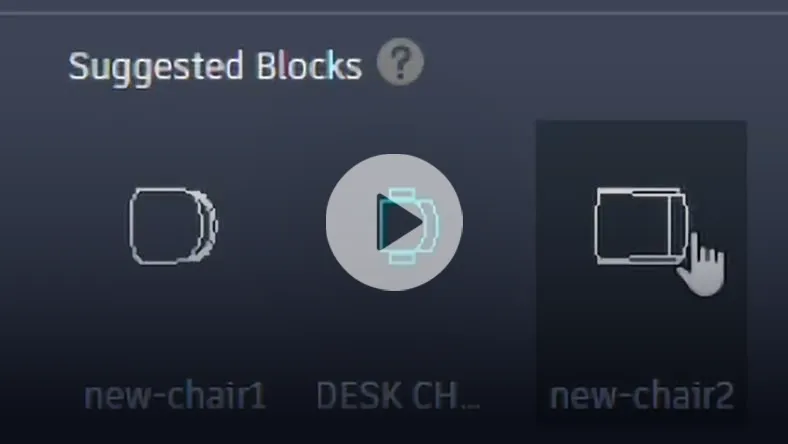
Use machine learning suggestions to identify and substitute blocks quickly, reducing manual search time.
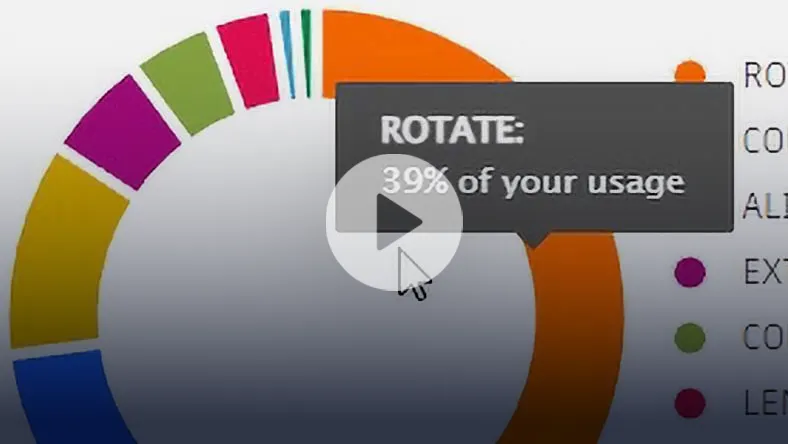
Receive personalised usage analytics and actionable drafting recommendations to increase productivity.
Automatically quantify block instances or objects within selected areas and generate data tables directly in drawings.
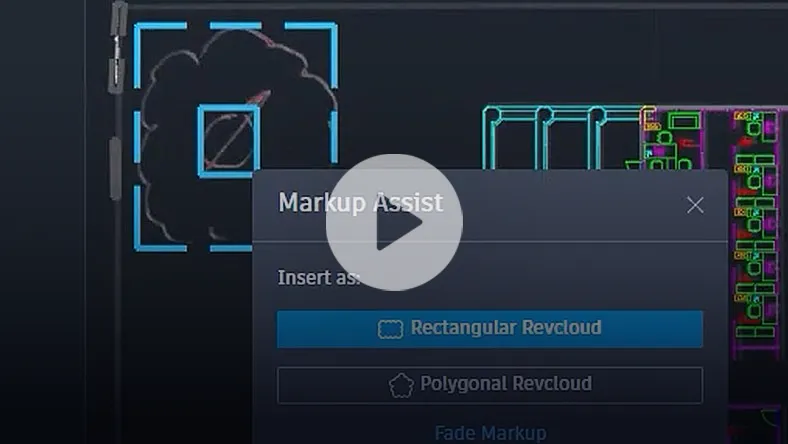
Import paper or PDF markups and use AI to interpret instructions such as move, copy, or delete for rapid revision updates.
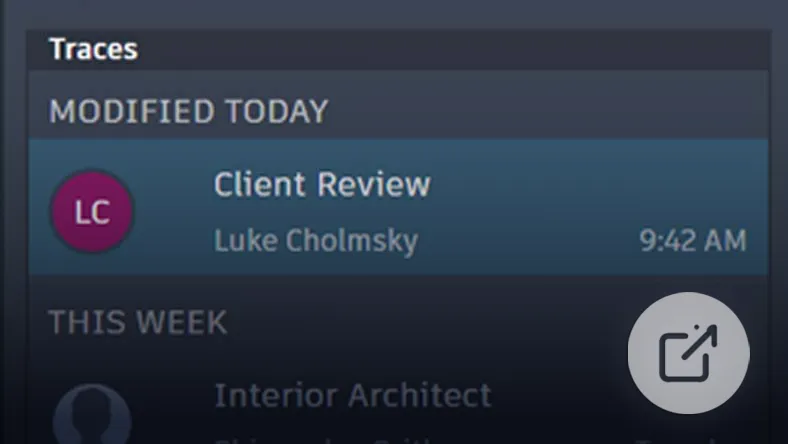
Collaborate safely using virtual overlay layers that allow feedback and design changes without altering the original drawing.
Add notes and design markups without altering the original drawing. Available on desktop, web, and mobile apps for seamless collaboration.
Create patterned object distributions in rectangular, circular, or path-based configurations.
Generate dynamic centre geometry that updates automatically with associated objects.
Pull attribute and object data from drawings for reporting and documentation purposes.
Synchronise AutoCAD tables with Microsoft Excel spreadsheets for live data updates.
Preview and generate associative dimensions automatically for improved drafting efficiency.
Create intelligent blocks with adjustable parameters for flexible design reuse.
Insert dynamic text elements that update automatically based on linked object properties.
Configure paper space layouts with title blocks and multiple scaled model views.
Produce annotation leaders with custom formatting and content control.
Maintain geometric and dimensional relationships using rule-based design constraints.
Remove unused blocks, layers, and objects to reduce file size and improve performance.
Highlight drawing updates visually using adjustable revision cloud tools.
Orbit, pan, and walk through 3D models using advanced visual control tools.
Generate 2D drawing views directly from 3D models, including sections and details.
Import laser scan data to reference real-world conditions during design development.
Apply realistic lighting, textures, and materials to enhance visual communication.
Offload rendering processes to the cloud to preserve local system performance.
Create live cross-sections through 3D geometry for analysis and presentation.
Build complex 3D forms using integrated modelling techniques within a unified environment.
Control edge display, shading, and lighting modes to tailor model presentation.
Import, export, or reference DGN formats for cross-platform interoperability.
Identify and highlight differences between drawing versions without switching environments.
Embed real-world location data and mapping services directly into your drawings.
Attach Navisworks models or import external file formats for coordinated workflows.
Reuse PDF content by attaching, importing, or exporting drawing data.
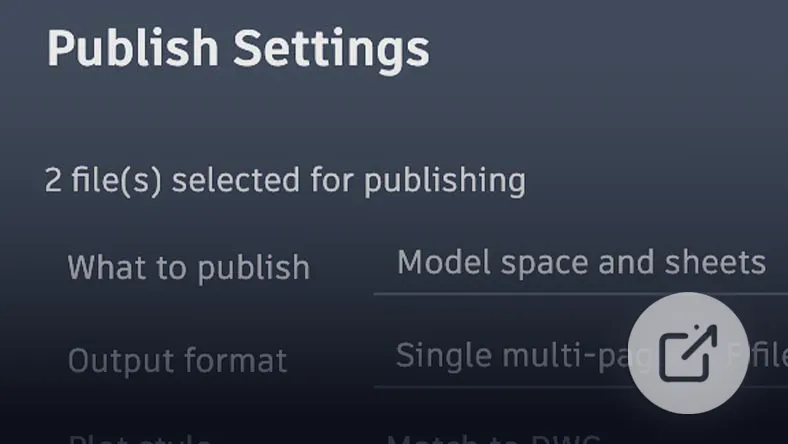
Organise, manage, and publish multi-sheet drawing sets efficiently.
Synchronise drawings to cloud platforms for browser and mobile access.
Publish secure web-based drawing views for stakeholder review and commenting.
Compare external reference changes to maintain coordination accuracy.
Capture command sequences and replay them as automated macros.
Extend AutoCAD functionality using ActiveX, AutoLISP, ObjectARX, JavaScript, .NET, and more.
Manage updates and access feature tutorials without disrupting workflows.
View and arrange multiple drawing windows across monitors within one AutoCAD session.
Monitor and enforce drafting standards for layers, text styles, dimensions, and linetypes.
Modify the user interface to streamline high-frequency commands.
Control executable permissions to enhance security against malicious code.
Deploy AutoCAD faster with customisable and streamlined installation options.
Access recent files, templates, and learning resources from a centralised home screen.
Track system variable settings and receive alerts when values deviate from standards.
Verify DWG file compatibility and integrity to prevent data inconsistencies.
Speak to us about your operational requirements or outcomes and we'll tailor a solution best suited to your business.
This website uses cookies so that we can provide you with the best user experience possible. Cookie information is stored in your browser and performs functions such as recognising you when you return to our website and helping our team to understand which sections of the website you find most interesting and useful.
Strictly Necessary Cookie should be enabled at all times so that we can save your preferences for cookie settings.