
In the past decade, Building Information Modeling (BIM) has transformed how architectural and construction teams design, coordinate, and deliver projects. The promise is compelling: shared models, real-time collaboration, reduced errors, and better project outcomes. Yet despite increasingly powerful BIM platforms, many teams still experience frustration, rework, and a lack of confidence in shared data.
When BIM collaboration fails, the instinctive response is often to blame the software.
But in reality, most BIM failures are not technology problems, they are process problems.
At the heart of effective BIM collaboration lies something far more human than software: trust.
BIM Issues Are Rarely Software Issues
Architects, project managers, and BIM coordinators frequently encounter familiar challenges:
- “I don’t trust the model.”
- “Someone overwrote my work.”
- “We’re not sure which file is the latest.”
- “The information in the model doesn’t match the drawings.”
Modern BIM platforms are technically capable of managing large, complex datasets across distributed teams. When collaboration breaks down, it’s rarely because the platform cannot do the job. Instead, it’s usually because:
- Roles and responsibilities were never clearly defined
- Model ownership is unclear
- File naming and versioning are inconsistent
- There is no agreed workflow for publishing or sharing information
Without a clear process, teams rely on assumptions and assumptions are where trust starts to erode.

ACC Project Overview / Project Home Dashboard
- One project
- Centralized access to Docs, Models, Issues, Design Collaboration
- Clear structure instead of scattered files
A centralised project environment creates visibility and accountability before collaboration even begins.
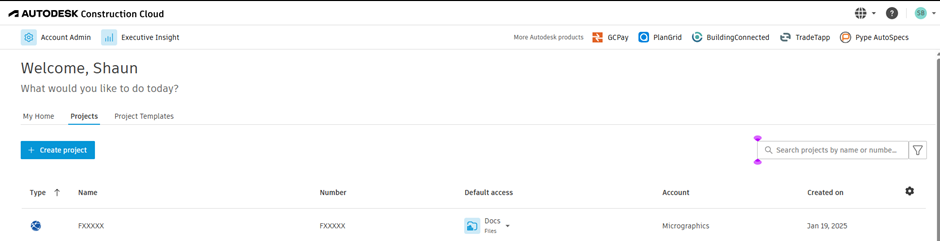
“BIM succeeds when teams work from one environment, not disconnected systems.”
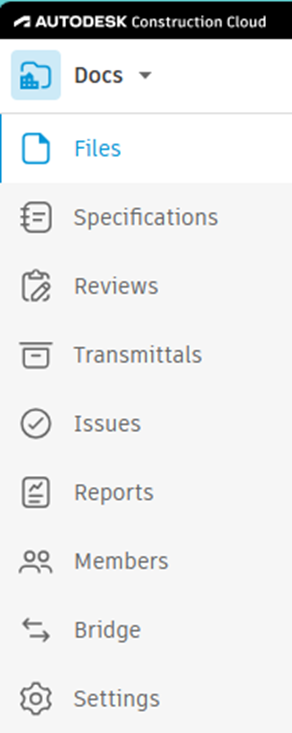
This is where platforms like Autodesk Construction Cloud become critical, not as a piece of software, but as a framework that supports clear processes, defined responsibilities, and shared accountability. When implemented correctly, the platform removes ambiguity and allows teams to focus on design and delivery instead of managing uncertainty.
Trust Is the Foundation of Shared Models and Shared Data
BIM fundamentally changes how teams work together. Instead of isolated files owned by individuals, BIM introduces shared models and shared responsibility.
This shift requires trust at multiple levels:
- Trust that others will follow agreed standards
- Trust that information in the model is current and reliable
- Trust that changes are intentional, reviewed, and communicated
When trust is present, teams collaborate confidently. When trust is missing, teams create workarounds: exporting PDFs “just in case,” keeping private copies of models, or duplicating work outside the BIM environment. Ironically, these actions undermine the very benefits BIM is meant to provide.
Trust does not emerge automatically just because a team uses BIM. It must be designed into the collaboration process.
All project files, communications, actions, all within one ecosystem. “A Single Source of Truth”.
Design Collaboration – Team Spaces view
- Discipline-based team spaces (Architecture, Structure, MEP)
- Controlled sharing between teams
- Clear boundaries of ownership
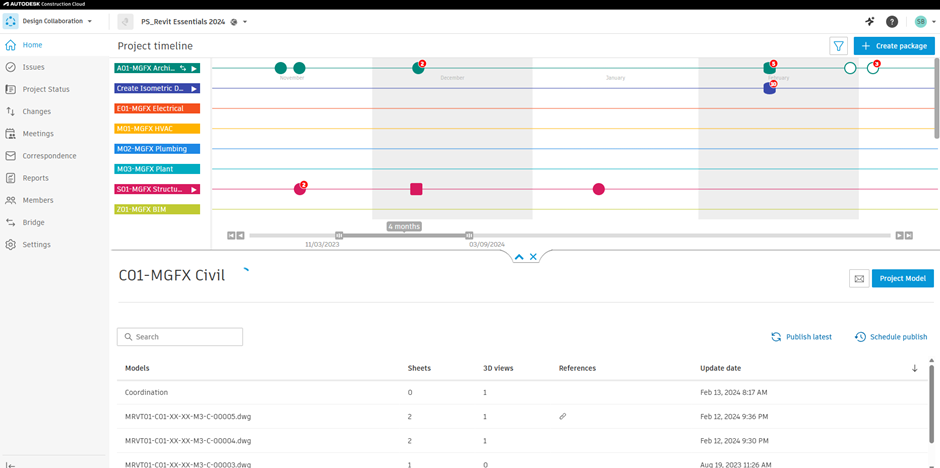
Team spaces establish ownership while still enabling collaboration, a key requirement for trust.
Trust is built when ownership is clear, not when everyone edits everything.
Permission settings, access levels and clear understanding of who has what responsibility, is what drives a BIM process, past construction to operations and maintenance.
How Unclear Workflows Break Confidence in BIM
One of the fastest ways to destroy confidence in BIM is to operate without clearly defined workflows.
Common examples include:
- No agreed publishing process
Team members upload models at random stages, without validation or approval. Others don’t know whether information is conceptual, coordinated, or construction-ready. - Undefined permissions and access
Everyone can edit everything, or worse, no one knows who should be editing what. This leads to accidental changes and blame-driven environments. - Inconsistent standards
Naming conventions, worksets, parameters, and views vary from user to user, making models difficult to navigate and audit. - Poor communication
Changes appear in the model without context, explanation, or traceability.
Each of these issues chips away at trust. Over time, teams stop relying on shared model and revert to siloed ways of working, defeating the purpose of BIM collaboration.
Model timeline / Version history / Activity log in ACC Docs
- Versions
- Upload timestamps
- Usernames, emails, account information – shared across one platform within a private permission regulated BIM environment.
- Change traceability
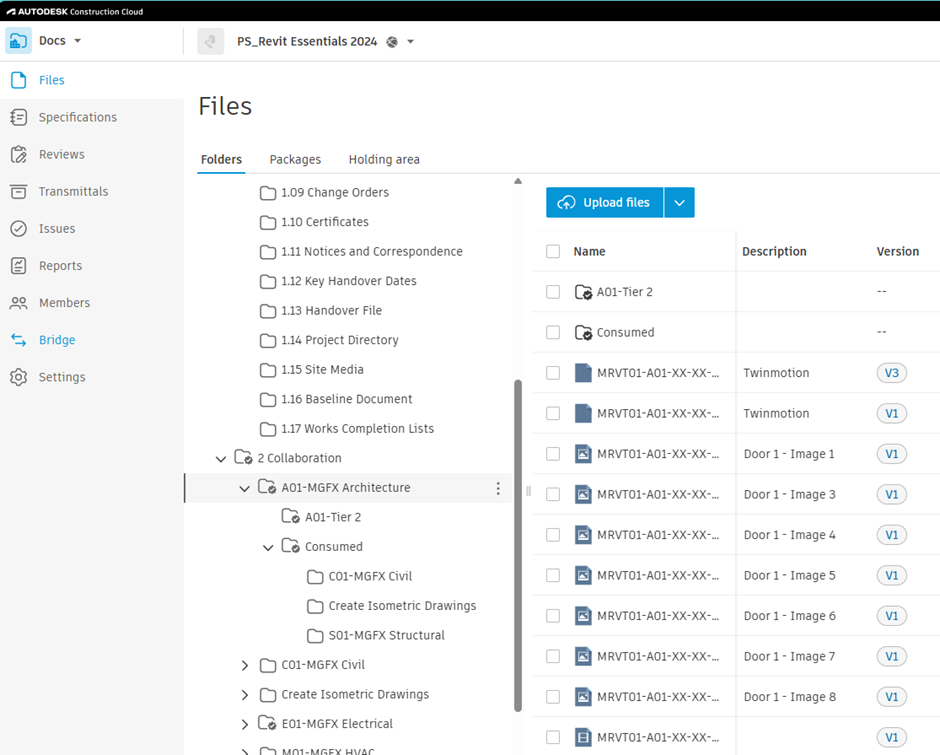
Version history removes uncertainty by making changes visible, traceable, and auditable.
Confidence comes from knowing what changed, when, and by whom
People, Process, and Platform Must Be Aligned
Successful BIM collaboration sits at the intersection of people, process, and platform.
- People need clarity: Who is responsible for what? Who approves changes? Who publishes information?
- Process provides structure: When models are shared, how they are reviewed, and what “ready for use” actually means.
- Platform enables execution: Tools like Revit, BIM Collaborate Pro, and Autodesk Construction Cloud support the process, but they cannot replace it.
When teams focus only on the platform, they expect the software to enforce discipline automatically. In reality, the platform amplifies whatever process already exists, good or bad.
A weak process scaled across a powerful platform simply creates bigger problems faster.
ACC Permissions / Folder structure / Document permissions
- Role-based access
- Folder-level control
- Clear separation of WIP vs Shared vs Published
Processes define how teams work, the platform enforces consistency at scale.
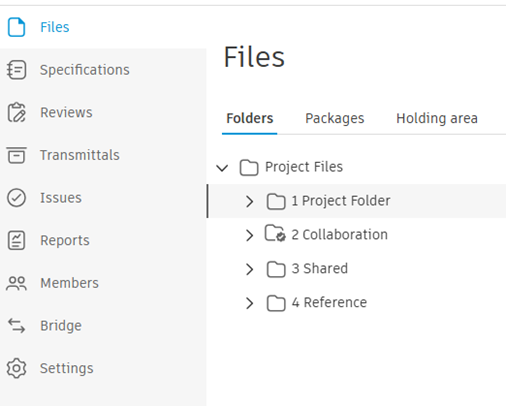
ACC doesn’t replace process: It supports and protects it.

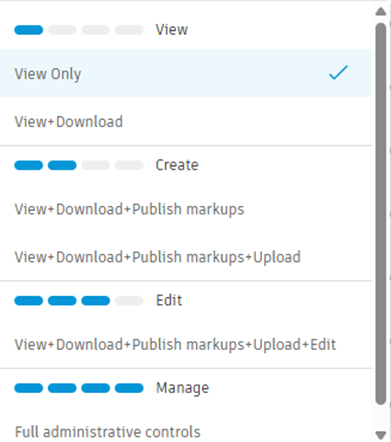
Trust-Breaking Habits in Architectural, Engineering and Construction Teams
Even experienced teams can fall into habits that quietly undermine collaboration:
- Treating the central model as a personal workspace
- Bypassing agreed workflows “just to get it done”
- Publishing unreviewed models to meet deadlines
- Relying on informal verbal agreements instead of documented processes
These habits are rarely malicious. They usually stem from time pressure, lack of training, or unclear expectations. However, their impact is cumulative. Over time, they create a culture where teams no longer trust shared information and BIM becomes a liability instead of an asset.
The Common Data Environment as a Trust Enabler
A well-implemented Common Data Environment (CDE) is one of the most powerful tools for rebuilding trust in BIM collaboration.
When used correctly, a CDE:
- Establishes a single source of truth
- Clearly separates work-in-progress from shared and published information
- Tracks versions, changes, and approvals
- Makes responsibilities and accountability visible
More importantly, a CDE reinforces process. It supports predictable workflows where team members know exactly:
- Where to work
- When to share
- What information can be relied upon
Trust grows when teams no longer need to guess.
From Software Adoption to Process Maturity
True BIM maturity is not measured by software features, but by confidence in collaboration.
When teams trust their processes, they trust their models. When they trust their models, they make better decisions, faster. This is where BIM delivers its real value — not as a 3D tool, but as a collaboration framework.
Building trust with BIM requires a shift in mindset:
- From “Which tool are we using?”
- To “How are we working together?”
ACC Model Viewer with multiple disciplines federated
- Architecture + Structure + MEP in one view
- No file downloads required
- Accessible to all stakeholders – Including Free Online Viewers for those who do not have Autodesk Subscriptions
When teams trust the model, decisions happen faster and collaboration becomes natural.
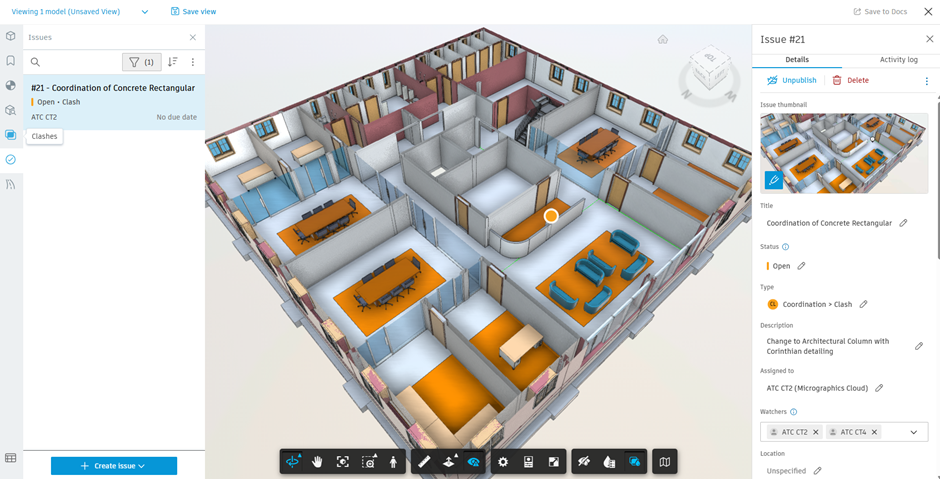
This is what confidence in BIM looks like.
Setting the Stage for Better Collaboration
This conversation is especially important as the industry moves toward more integrated, cloud-based workflows. Collaboration is no longer optional, but trust must be intentional.
Because BIM doesn’t fail when software struggles.
BIM fails when trust is missing.

