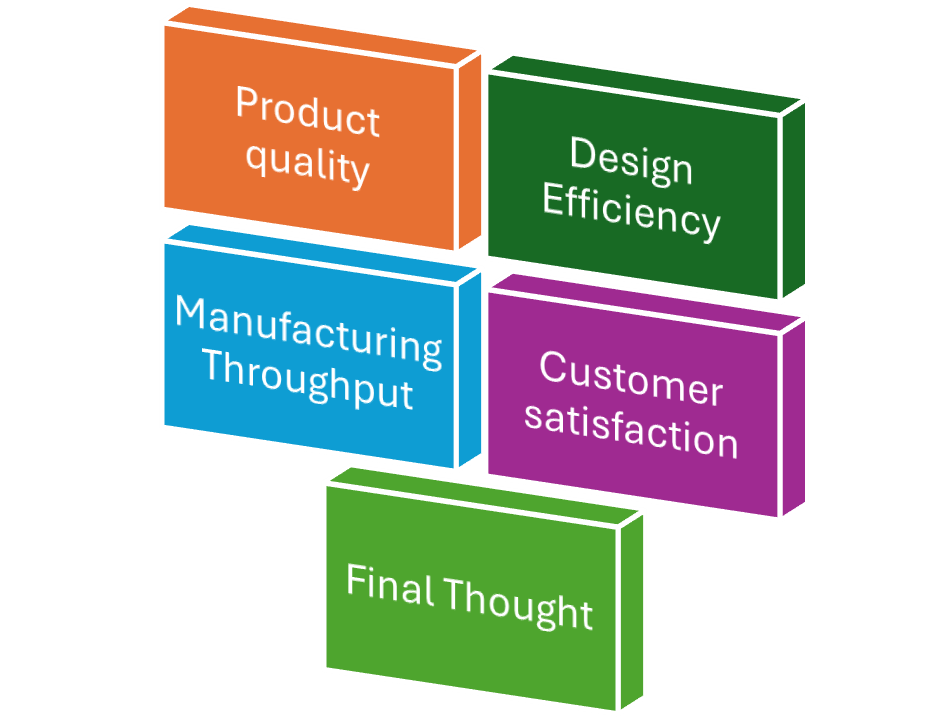
In today’s highly competitive manufacturing environment, modern engineering tools empower teams to streamline workflows, improve productivity, and consistently deliver high-quality products. By leveraging advanced digital design and validation capabilities, companies can achieve:
Enhanced Product Quality through standardised design practices, built-in simulation tools, and precise tolerance analysis—ensuring reliable, high-performance components from concept through production.
Optimised Machine and Process Performance by validating mechanical systems with motion studies, fit/interference checks, and performance simulations, reducing costly mistakes, unplanned downtime, and production bottlenecks.
Efficient Data Reuse and Faster Engineering Cycles using configurable design templates, modular components, and intelligent duplication tools that enable teams to repurpose proven designs—accelerating development while maintaining accuracy and consistency.
Together, these capabilities directly support increased throughput, reduced rework, and smarter decision-making across the manufacturing lifecycle—driving continuous improvement, operational excellence, and sustainable competitive advantage.

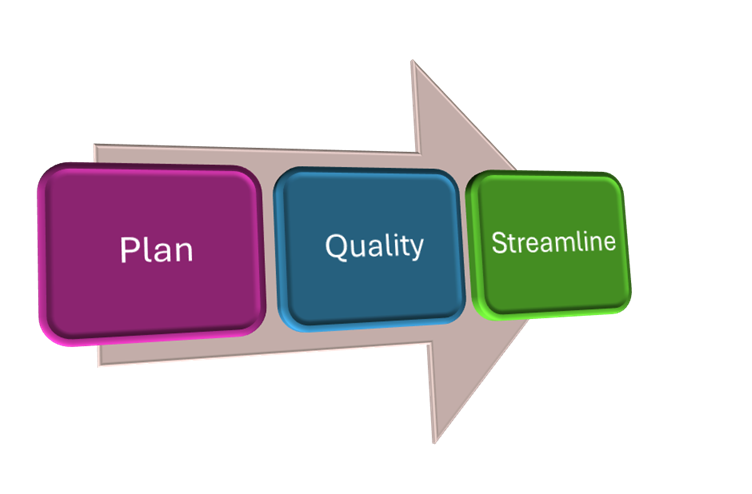
In modern manufacturing, achieving high quality is not only about final inspection—it begins at the design stage. By using advanced digital engineering tools and standardized workflows, teams can embed quality directly into the development process. These tools help reduce errors, improve design consistency, and validate components long before they reach the shop floor. This proactive approach minimizes rework, shortens production cycles, and ultimately supports higher throughput across manufacturing operations.
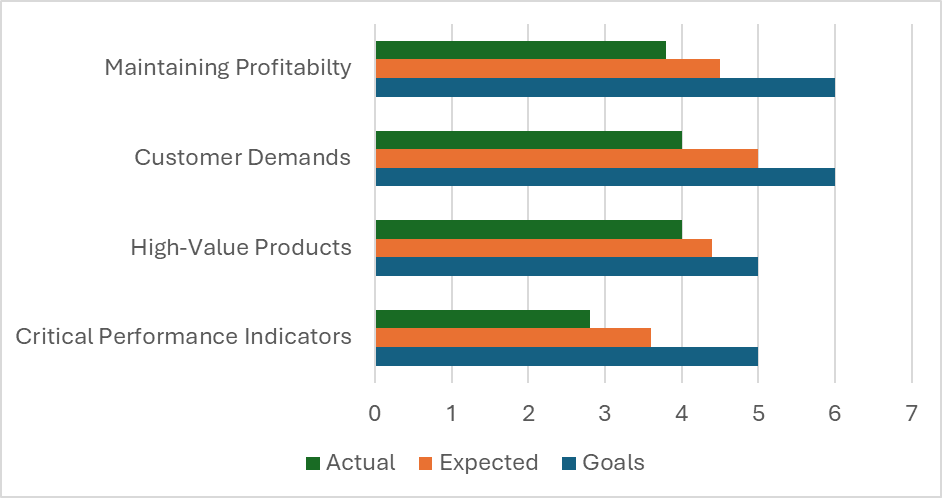
Key Features That Support Quality & Throughput in Manufacturing
1. Standardised Design Practices
- Enforces consistent modelling methods
- Reduces variation between engineers
- Ensures every product meets defined quality requirements
2. Built-In Validation & Simulation Tools
- Detects design flaws early
- Performs stress, motion, and performance checks
- Minimises defects before production begins
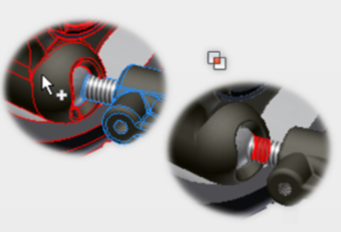
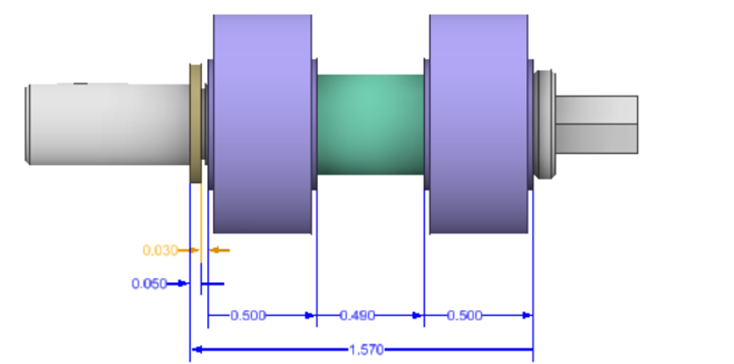
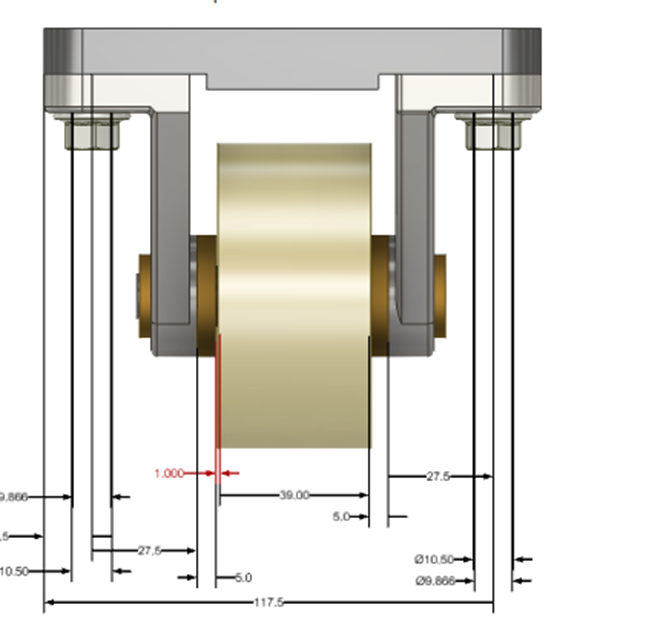
3. Tolerance & Fit Analysis
- Ensures components assemble correctly
- Reduces scrap, rework, and misalignment issues
- Improves reliability of the final product

4. Automated Error Checking
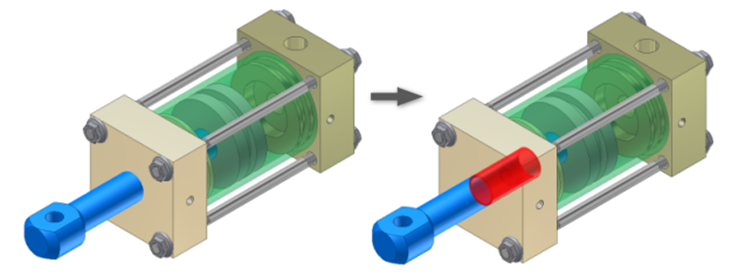
- Identifies missing dimensions, interferences, and inconsistencies
- Helps eliminate manual oversight errors
- Speeds up approval workflows
5. Data Reuse & Configuration Tools
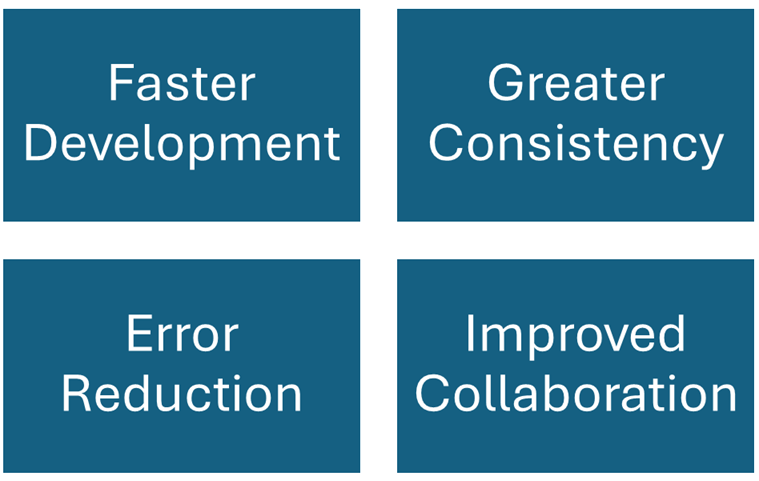
- Standard components and templates
- Quickly adapt existing designs for new use
- Reduces cycle time and boosts throughput
6. Digital Prototyping
- Test ideas virtually before physical manufacturing
- Faster iteration and decision-making
- Reduces cost and time spent on physical samples
7. Workflow Automation
- Automates repetitive tasks (naming, numbering, documentation)
- Frees engineers for higher-value work
- Improves throughput and overall productivity

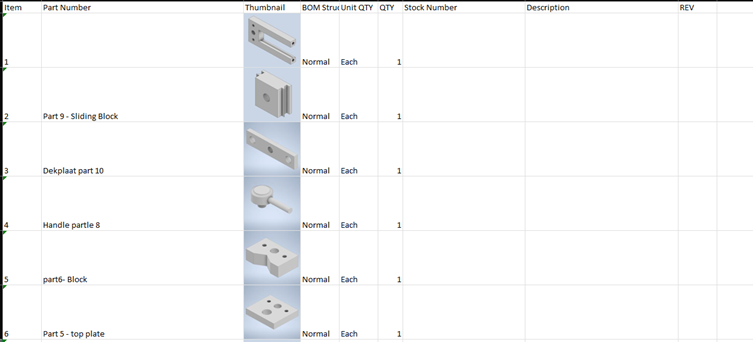
8. Integrated Documentation
- Automatically generated drawings, BOMs, and specs
- Ensures accuracy and traceability
- Reduces delays in production handover
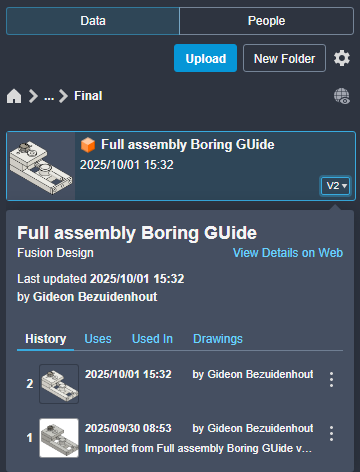
9. Collaboration & Version Control
- Ensures teams work on the correct file version
- Prevents errors caused by outdated or duplicated designs
- Supports smooth engineering-to-production communication
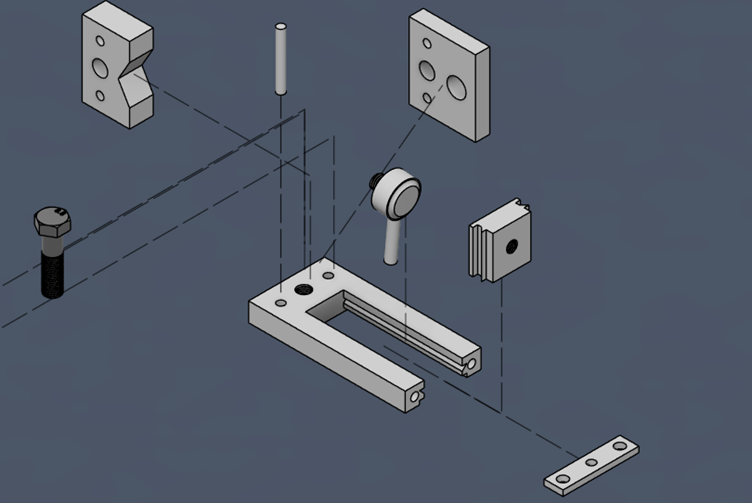
10. Production-Ready Models & Data
- Ensures manufacturable geometry
- Reduces shop-floor interpretation errors
- Improves first-time-right manufacturing
Built-in validation and simulation tools play a critical role in ensuring quality and efficiency within the manufacturing design process. By simulating real-world forces, motion, and performance conditions early in the digital environment, engineers can identify potential issues long before physical prototypes or production begins. This capability allows teams to optimise components, verify assembly behaviour, and ensure compatibility across systems—significantly reducing the risk of failure downstream.
Early detection of flaws not only helps maintain strict quality standards but also improves throughput by eliminating unnecessary iterations, preventing avoidable rework, and shortening the overall development cycle. These tools create a more predictable, streamlined path from concept to production, enabling manufacturers to deliver reliable, high-performance products faster and more cost-effectively.