
Smart manufacturing is redefining how factories operate, compete, and grow. At the centre of this transformation is the ability to connect data, processes, and people in real time. Solutions like Autodesk Fusion Operations are enabling manufacturers to move beyond manual systems and embrace fully integrated, data-driven operations.
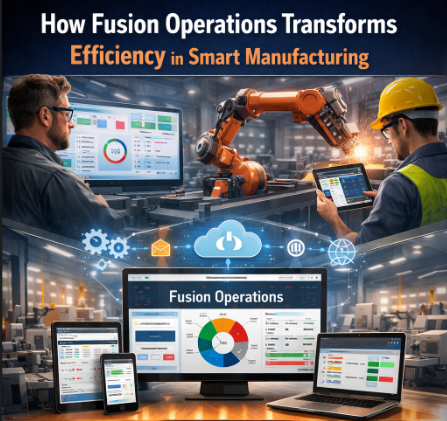
Fusion Operations transforms efficiency by centralising production management into a single digital platform. Instead of juggling spreadsheets, paper-based job cards, and disconnected systems, manufacturers gain live visibility into work orders, inventory, machine status, and workforce performance. This unified approach eliminates information silos and reduces administrative overhead, allowing teams to focus on value-added activities.

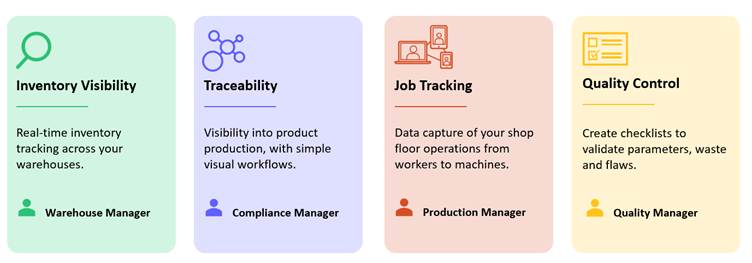
One of the biggest efficiency gains comes from real-time production tracking. Supervisors can instantly see where bottlenecks are forming and take corrective action before delays impact delivery schedules. Operators have access to up-to-date digital work instructions, reducing errors and ensuring consistency across shifts. With improved communication between departments, production flows more smoothly and predictably.
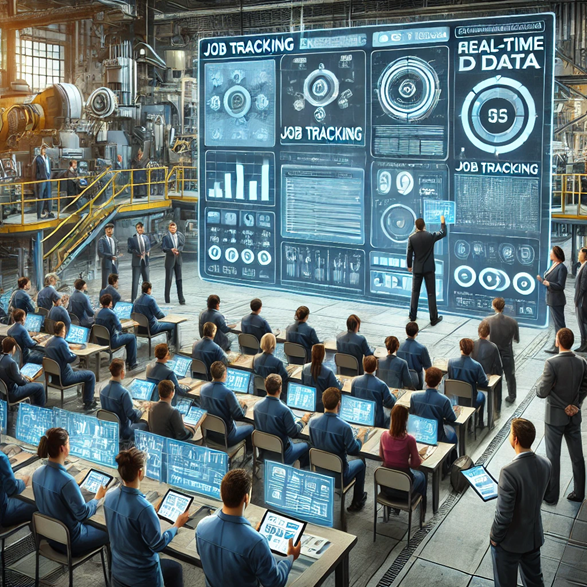
Smart manufacturing also relies heavily on data-driven decision-making. Fusion Operations captures detailed production metrics, including cycle times, downtime events, and quality performance. Over time, this data provides powerful insights into process improvements and resource optimisation. Manufacturers can identify recurring issues, adjust scheduling strategies, and implement preventative maintenance plans to reduce unexpected breakdowns.
Inventory management becomes more accurate as well. Real-time tracking of materials helps prevent stock shortages or overstocking, both of which can tie up capital and disrupt production. With better demand forecasting and supply chain visibility, companies can operate leaner and more efficiently.
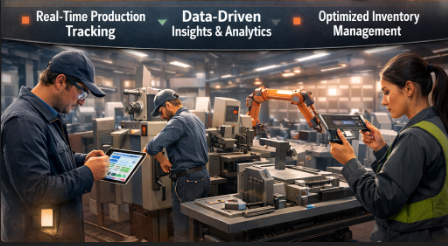
Ultimately, Fusion Operations empowers manufacturers to transition from reactive management to proactive optimisation. By combining automation, transparency, and analytics, it drives smarter decisions, higher productivity, and sustainable operational excellence in today’s competitive manufacturing landscape.

