
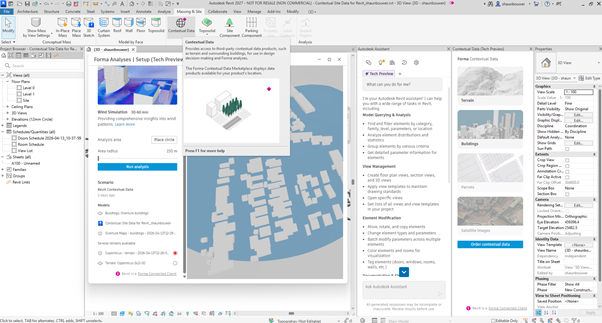
The release of Revit Architecture 2027 marks a significant shift in how architects engage with Building Information Modelling (BIM). While previous updates have focused on performance and incremental improvements, this release takes a bold step forward: Placing design, automation, and data-driven decision-making at the center of the architectural workflow.
At its core, Revit 2027 is about giving architects back their most valuable resource: Time.
A New Era with AI-Assisted Workflows
One of the most exciting developments in Revit 2027 is the integration of AI-powered assistance into everyday tasks. Architects are no strangers to the repetitive and time-consuming aspects of documentation, creating sheets, managing views, coordinating schedules, and ensuring consistency across deliverables.
With the new AI assistant, many of these processes are now automated or significantly streamlined. AI-generated responses with user’s prompt inputs. Conversational chat dialog box within the Revit interface.
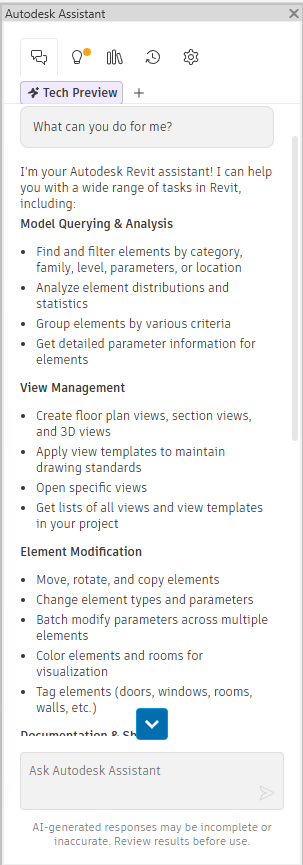
Instead of manually setting up dozens of views and sheets, architects can rely on intelligent suggestions and automated generation based on project standards and model content. Schedules can be created and managed with minimal input, reducing the administrative burden that traditionally slows down the design process.
The result? Architects can spend less time managing documentation and more time doing what they do best: Designing, exploring ideas, and creating meaningful spaces.
Integrated Site Design with Forma
Another standout feature in Revit 2027 is the deeper integration of Forma Site Design tools directly within the Revit environment. This enhancement bridges the gap between early-stage conceptual design and detailed BIM development.
Architects can now:
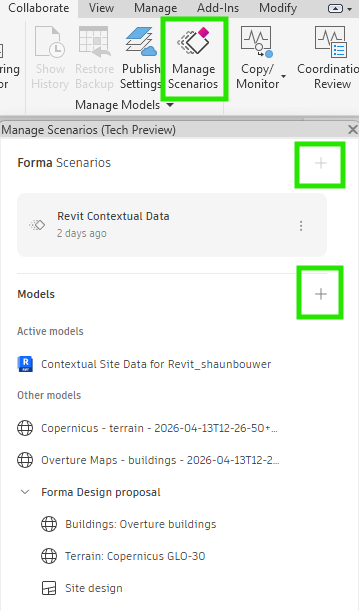
- Create and manage multiple site design scenarios directly in Revit
- Evaluate different design options in a structured and efficient way
- Make informed decisions earlier in the project lifecycle
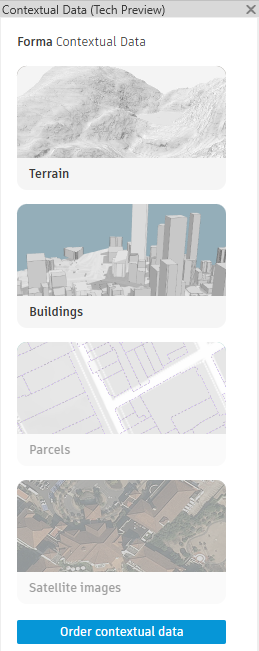
- Add contextual data directly in Revit, adding Terrain with contours, site data, and buildings for contextual Site Design before the pre-conceptual design stage. Understand your site before you start designing.
Scenario-based design is particularly powerful when working with complex sites or when multiple stakeholders are involved. Instead of reworking models or duplicating files, architects can seamlessly switch between scenarios, compare outcomes, and refine their designs with greater clarity.
Environmental Insight: Wind Analysis in Revit
Sustainability and environmental responsiveness continue to play a critical role in modern architecture. Revit 2027 introduces the ability to perform wind analysis as part of the design workflow, bringing environmental intelligence closer to the architect.
With integrated wind analysis tools, architects can:
- Understand how wind interacts with building forms
- Identify potential problem areas such as wind tunnels or uncomfortable outdoor spaces
- Optimize building orientation and massing for better performance
This capability empowers architects to make informed design decisions without relying solely on external tools or consultants during the early stages. It’s a step toward more responsive and performance-driven architecture.
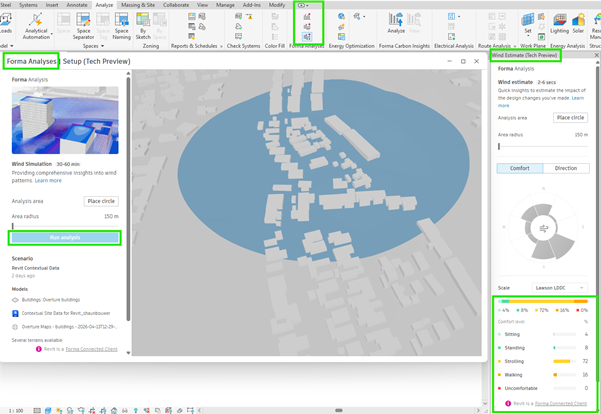
Important Requirement: Access to Forma
To unlock these advanced site and environmental analysis capabilities, it’s important to note that access to Forma Site Design and Forma Cloud is required.
This integration highlights Autodesk’s vision of a connected ecosystem, where tools like Revit and Forma work together to provide a seamless workflow from concept to construction. For architectural firms, this means greater collaboration, better data continuity, and more informed design outcomes.
Designing with Confidence and Creativity
What makes Revit 2027 particularly compelling for architects is not just the introduction of new tools, but the shift in mindset it encourages.
By automating routine tasks and embedding intelligence into the design process, Revit allows architects to:
- Focus on creativity rather than coordination
- Explore more design options in less time
- Make data-driven decisions with confidence
- Deliver higher-quality outcomes with reduced effort
This is especially valuable in today’s fast-paced industry, where deadlines are tight, expectations are high, and sustainability is no longer optional.
Looking Ahead
Revit Architecture 2027 is more than just a software update. It’s a glimpse into the future of architectural design. A future where AI supports creativity, where environmental analysis is integrated from day one, and where architects are empowered to design smarter and faster than ever before.
If you’re ready to spend less time on documentation and more time on design, Revit 2027 is a release you won’t want to miss.

