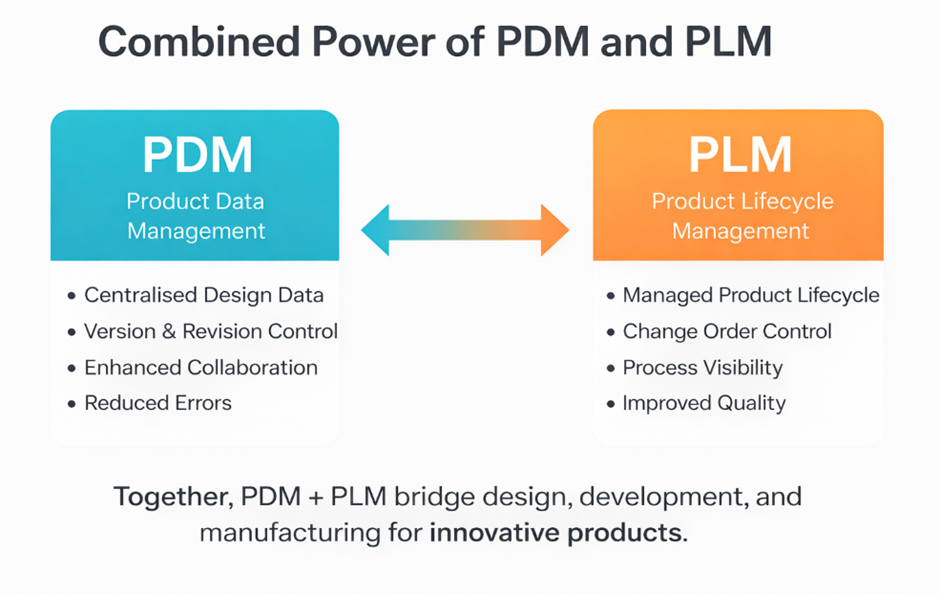
In modern engineering environments, speed and accuracy are critical to staying competitive. Product Data Management (PDM) and Product Lifecycle Management (PLM) systems play a key role in improving how teams design, collaborate, and deliver products. Solutions such as Autodesk Vault (PDM) and Fusion Manage (PLM) help organisations streamline workflows, reduce errors, and significantly shorten development cycles.
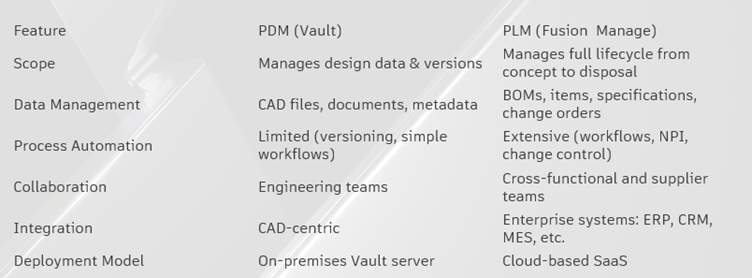
Centralised and Controlled Product Data
One of the biggest advantages of PDM systems is the creation of a single, controlled source of truth for all engineering data. CAD models, drawings, specifications, and related documents are stored in a central, secure location. This eliminates the common problems of file duplication and version confusion. Engineers no longer need to search through multiple folders or worry about working on outdated files. Instead, everyone accesses the latest approved version, reducing delays, improving consistency, and protecting data integrity across the entire project.

Faster Design Iterations and Collaboration
With structured data management and controlled access, engineering teams can work more efficiently and in parallel. Multiple users can contribute to a design without the risk of overwriting each other’s work. This significantly improves productivity during iterative design cycles. PLM systems take this further by extending collaboration beyond engineering teams to include manufacturing, procurement, and quality departments. As a result, decisions are made faster because all stakeholders are working from the same up-to-date information, reducing miscommunication and bottlenecks.

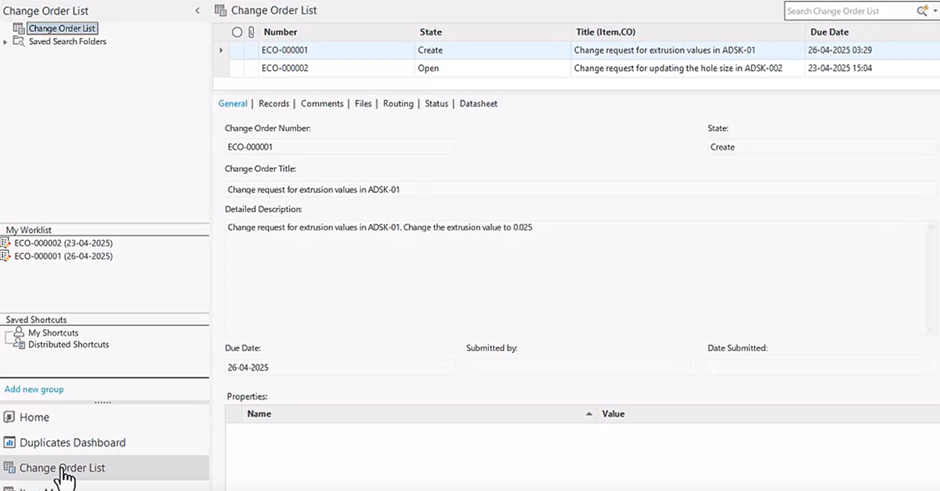
Streamlined Change Management (ECO/VCO)
Engineering changes are a natural part of product development, but without structure, they can slow projects down significantly. PLM solutions automate Engineering Change Orders (ECOs) and Vendor Change Orders (VCOs) through defined workflows. Instead of relying on manual approvals, spreadsheets, or long email chains, changes are tracked, reviewed, and approved within a controlled digital process. This ensures accountability, improves traceability, and drastically reduces turnaround time when design updates are required.
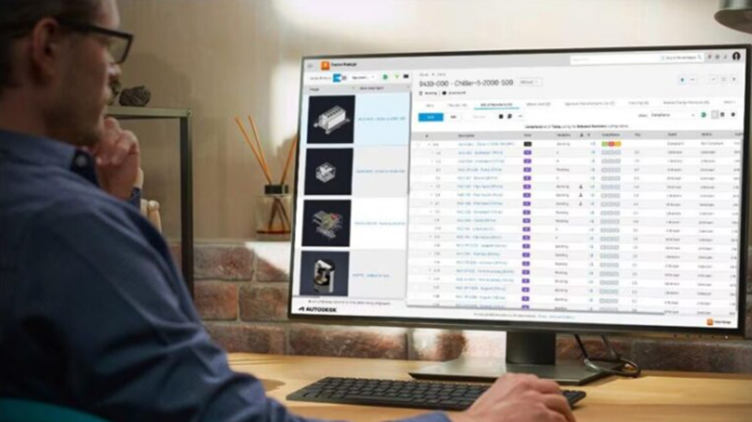
Improved BOM Accuracy and Visibility
Bill of Materials (BOM) accuracy is essential for successful manufacturing. PDM systems manage engineering BOMs, while PLM platforms connect them to wider business processes such as procurement and production planning. This integration ensures that all departments work with consistent, validated information. It reduces costly discrepancies between design intent and manufacturing execution, while also speeding up downstream operations like sourcing and assembly planning.
Reduced Errors and Rework
Data integrity, version control, and structured workflows all contribute to reducing human error. When teams are confident, they are working with the correct information, the likelihood of mistakes decreases significantly. Fewer errors directly translate into less rework, saving both time and cost. This improvement alone can have a major impact on overall project timelines.
End-to-End Process Integration
Perhaps the most powerful benefit of PLM systems is their ability to connect engineering data with broader business operations. By linking design, manufacturing, quality, and supply chain processes, PLM creates a seamless flow of information from concept to production. This end-to-end integration eliminates process gaps, improves traceability, and ensures that every stage of product development is aligned and efficient.

Combined Power of PDM and PLM
Seamless Data Flow – Design data is created and controlled in PDM, then seamlessly integrated into PLM to support broader lifecycle processes and business functions.
Faster Time-to-Market – PDM ensures efficient design and data management, while PLM streamlines lifecycle processes, reducing delays from concept to release.
Improved Quality – Controlled data in PDM, combined with PLM-driven change management and approvals, ensures higher design accuracy and product quality.
Efficiency & Cost Savings – Reduced duplication, fewer errors, and structured workflows minimise rework and Optimise resource usage.
Full Visibility – End-to-end traceability from initial design data (PDM) through the entire product lifecycle (PLM).